
 Posted by
 This guide shares five practical questions to ask before buying Aerobika Pep, using an Australian context and a patient-first lens. It is written to help households make safer, more confident decisions alongside their GP, respiratory nurse, or specialist.
What condition are they actually treating with Aerobika Pep?
They should match the device to the condition first, not the other way around. Aerobika Pep is generally used as a positive expiratory pressure device to support airway clearance, so it may suit people who struggle with mucus clearance.
Before buying Aerobika Pep, they should ask which diagnosis it is meant to help, such as bronchiectasis, COPD with chronic sputum, or recurrent chest infections. If the main issue is breathlessness without mucus, the plan may need to look different.
They should also confirm whether the goal is daily airway clearance, short-term support during a flare-up, or prevention of hospital visits. The best answer will be specific, written down, and tied to symptoms they can track at home.
What does their clinician want the daily routine to look like?
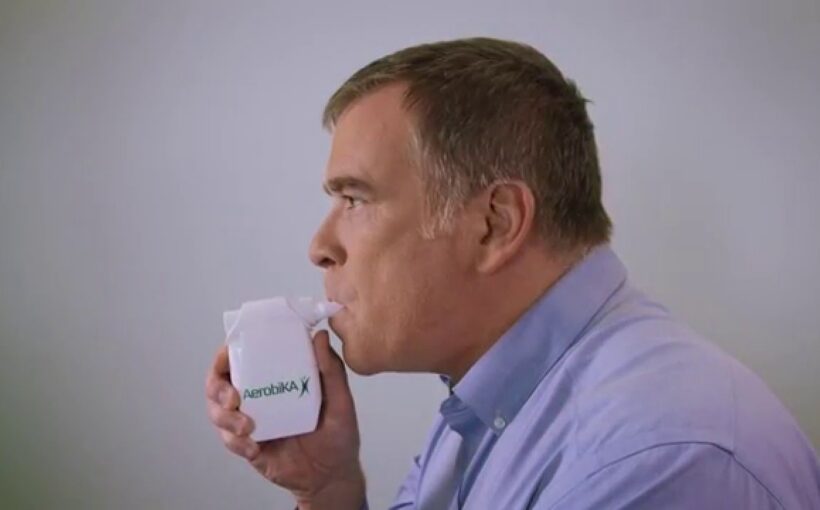
They should leave the appointment knowing exactly how it fits into the day. Aerobika Pep works best when it is used with the right timing, breathing pattern, and cough or huff technique.
A useful plan includes frequency, duration, and what to do after each cycle. For example, a clinician might recommend several sets of breaths followed by huff coughing, plus hydration and a short walk if appropriate.
They should also ask where it sits alongside inhalers, nebulisers, or airway clearance physio. If they use bronchodilators, the clinician may want those taken before Aerobika Pep to open the airways first.
If carers are involved, they should ask for a simple written checklist. That reduces guesswork on tired days and helps keep technique consistent.
How will they know whether it is working, and when should they stop and reassess?
They should agree on clear markers of benefit before buying Aerobika Pep. Otherwise, it is easy to keep using it without knowing whether it is helping.
In practice, signs may include easier sputum clearance, fewer “rattly” mornings, reduced chest tightness linked to mucus, better exercise tolerance, or fewer GP visits for infections. Some people track colour and volume of sputum, while others track how often they wake coughing overnight.
They should also ask what “not working” looks like. If symptoms worsen, if they cannot shift secretions after a reasonable trial, or if it triggers distressing coughing fits, they should check back with a clinician.
They should seek urgent medical care in Australia if they develop severe breathlessness, chest pain, blue lips, confusion, or coughing up significant blood. Those symptoms are not a device problem to solve at home.
Other Resources : Shortness of breath | Adult ECAT protocol
Is Aerobika Pep safe for them, given their medical history?
They should ask about safety in plain terms, especially if they have complex lung or heart conditions. Aerobika Pep changes pressures during breathing, which is usually well tolerated, but not always appropriate for every situation.
They should disclose any history of pneumothorax, recent thoracic surgery, significant haemoptysis, unstable cardiac disease, or severe uncontrolled asthma. Their clinician can then advise whether Aerobika Pep is suitable, needs modification, or should be avoided.
They should also ask what to do if they feel dizzy, wheezy, or overly fatigued during use. Sometimes it is a technique issue, sometimes it is a sign the routine needs adjusting, and sometimes it signals an acute flare-up.
If they are using CPAP for sleep apnoea or home oxygen, they should ask how to coordinate it. A respiratory clinician can help align Aerobika Pep sessions with oxygen use, inhaled therapy, and rest periods so the day stays manageable.
What will it cost in Australia, and what ongoing support and cleaning will they need?
They should confirm the total cost, not just the device price. In Australia, devices like Aerobika Pep are often bought through community pharmacies, respiratory clinics, or online suppliers, and pricing can vary.
They should ask whether any consumables need replacing and how often. Even when a device is durable, hygiene routines matter, especially for people prone to chest infections.
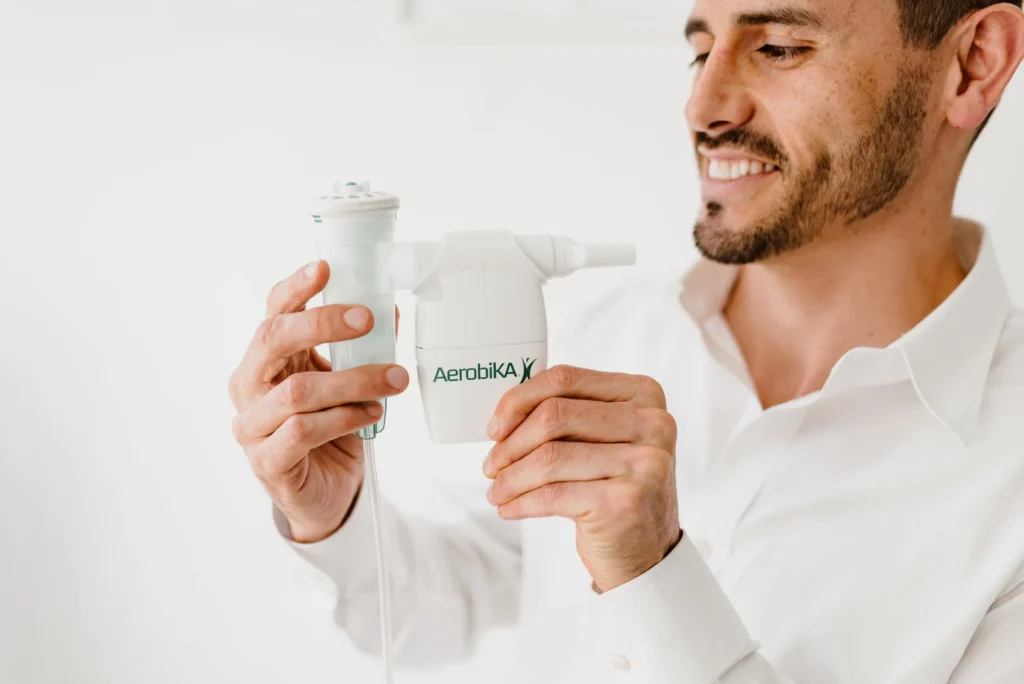
They should get clear cleaning instructions they can follow at home. A typical approach is to wash components in warm soapy water, rinse well, and air-dry completely, plus follow any manufacturer guidance for periodic disinfection. If they have limited dexterity, carers may need to take responsibility for cleaning to reduce infection risk.
They should also ask where to get technique support. Many people benefit from a quick check-in with a respiratory physio or nurse after the first week. It is common for small technique tweaks to make Aerobika Pep more comfortable and effective.
Finally, they should ask what to do if the device feels “too hard” or “too easy” to breathe through. Rather than guessing, they should confirm whether settings can be adjusted and who should adjust them.
What should patients and carers do next before buying?
They should take these five questions to their GP or respiratory clinician and ask for answers that match the person’s symptoms and daily reality. Done well, Aerobika Pep becomes part of a clear home routine, not another confusing gadget in the cupboard.
If they do choose Aerobika Pep, they should schedule a short follow-up to review technique and results. That is often the difference between a device that helps and one that is quietly abandoned.
Related : Philips Oxygen Concentrator Australia: What Patients and Carers Should Know Before They Choose