
 Posted by
 End of year planning is changing fast as finance teams look for clearer ROI, tighter compliance, and fewer surprises in Q4. The biggest shift is that gifting is being treated less like a nice-to-have and more like a measurable part of retention, brand, and customer success.
This guide breaks down what is shaping spend decisions right now, and how teams can plan smarter without blowing budgets or timelines.
What is driving bigger scrutiny on end of year gifting spend?
More teams are being asked to justify gifting like any other marketing or people cost, with approvals tied to outcomes and risk. Corporate Gifts Australia decisions now often sit with procurement, finance, and legal, not just marketing or HR.
They are also responding to inflation and tighter discretionary spend, which pushes buyers to consolidate suppliers, lock in pricing early, and avoid last-minute courier blowouts.

Why are practical, “kept” gifts replacing novelty items?
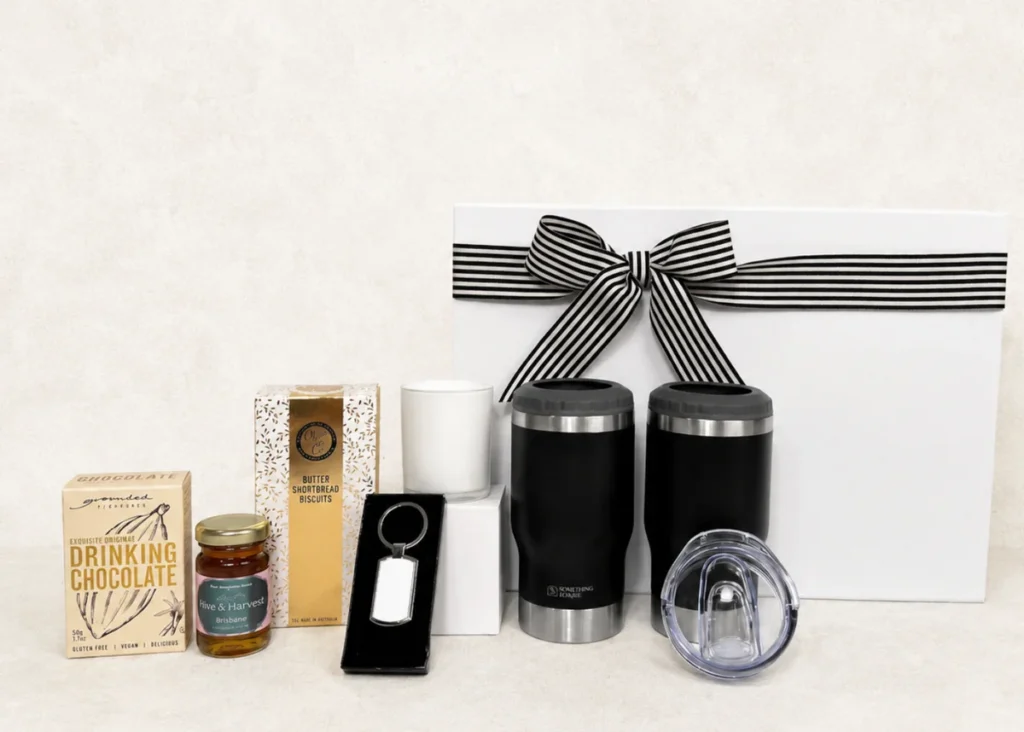
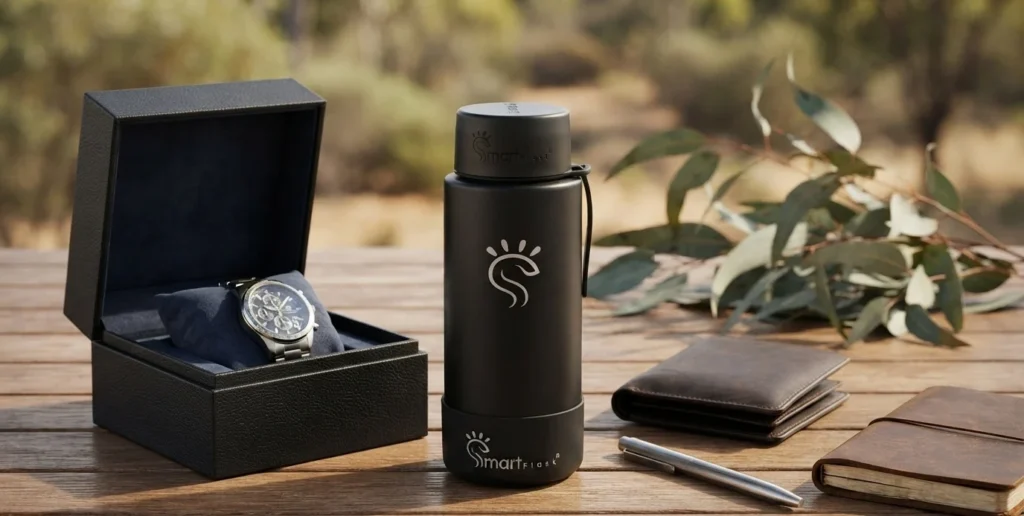
They are choosing items recipients will actually use, because waste looks bad and weakens the brand impact. In Corporate Gifts Australia, practical options like quality drinkware, desk items, travel accessories, and premium pantry staples tend to outperform gimmicks.
This trend also reduces the risk of awkward gifts that do not suit diverse teams or clients, especially across Sydney, Melbourne, Brisbane, Perth, and regional offices.
How are sustainability expectations changing what gets ordered?
Sustainability is no longer a bonus line in a proposal; it is often a hard requirement. Corporate Gifts Australia buyers increasingly want recycled materials, reusable formats, minimal packaging, and clear sourcing statements.
They also prefer suppliers who can provide documentation fast because internal reporting is tighter. If sustainability claims cannot be substantiated, teams will often remove the product from the shortlist.
What role does branding play when budgets are tighter?
Branding is becoming more subtle, with a focus on perceived quality rather than logo size. Many Corporate Gifts Australia orders now lean towards discreet marks, tasteful engraving, or branded packaging instead of loud prints.
They are also selecting fewer items of higher quality, because one excellent gift can carry more brand equity than a hamper of filler.
See Also: What to Include in Corporate Hampers for Client Gifting
Why are experience-led gifts gaining share in Australia?
Experience gifting is growing because it reduces storage and sizing issues and can feel more personal. In Corporate Gifts Australia, common choices include digital gift cards for Australian retailers, dining credits, or curated local experiences that work across states.
They are also easier to distribute to hybrid teams, which keeps admin low and avoids shipping problems during peak courier periods.
How is hybrid work reshaping delivery and fulfilment choices?
Hybrid work has forced teams to think about “ship-to-home” as the default, not the exception. Corporate Gifts Australia programmes now often include address capture workflows, delivery tracking, and privacy handling, especially for employee gifting.
They also prefer fulfilment partners who can split deliveries by state and provide realistic cut-offs for metro versus regional Australia.
What are procurement teams demanding from corporate gifting suppliers?
Procurement wants fewer suppliers, clearer SLAs, and pricing that does not change every week. Corporate Gifts Australia suppliers who win tend to offer transparent unit costs, decoration fees, and freight, plus the ability to scale quickly in November and December.
They are also expecting accessible product compliance details, especially for food, drinkware, electrical items, and anything that could raise safety concerns.
How are personalisation and segmentation affecting budget planning?
Personalisation is moving beyond adding a name to a card. Corporate Gifts Australia planners are segmenting by audience value, relationship stage, and gifting purpose, such as renewal, referral thanks, or employee recognition.
This helps them spend more where it matters, while keeping lower tiers simple and cost-controlled. It also reduces awkward “one gift fits all” outcomes.
Why is there more focus on compliance, ethics, and gifting policies?
Gifting policies are being enforced more strictly, particularly in regulated industries and government-adjacent work. Corporate Gifts Australia buyers are checking gift value thresholds, conflict rules, and whether alcohol is allowed for certain recipients.
They are also tracking who received what, because audits and internal reviews can happen months later. A clear approval trail now saves time and reputational risk.
What is happening with lead times, and why do teams order earlier?
Lead times have stabilised compared to the worst supply-chain years, but Q4 is still congested. Corporate Gifts Australia orders placed late can face stock gaps, decoration bottlenecks, and courier delays, especially into regional areas.
They are increasingly locking in core items by September or October, then leaving a small portion of budget for last-minute priority recipients.
How are finance teams measuring ROI from gifting?
They are tying gifting to measurable moments: renewals, upsells, event attendance, NPS improvements, referral generation, and employee retention. In Corporate Gifts Australia, teams often compare outcomes between gifted and non-gifted cohorts to justify spend.
They also use tighter tracking, such as unique landing pages, QR codes, or follow-up sequences, so gifting is connected to a documented business objective.
What are the smartest ways to build an end of year gifting budget?
They build the budget backwards from audiences and outcomes, then add realistic buffers for decoration and freight. A practical approach is to set tiers, confirm policy limits, and decide whether the goal is retention, pipeline influence, or recognition.
They should also plan for the unglamorous costs: kitting, storage, address capture, re-sends, and premium delivery upgrades in late December.
What should teams do next to stay ahead of Q4?
They should shortlist products early, confirm compliance requirements, and align stakeholders before the rush hits. They also need a fulfilment plan that works for metro and regional Australia, plus a segmentation model that matches goals.
If they treat gifting as a programme, not a scramble, Corporate Gifts Australia spend becomes easier to defend and more likely to deliver results.
FAQs (Frequently Asked Questions)
What factors are driving increased scrutiny on end of year gifting spend in Corporate Gifts Australia?
End of year gifting spend is under bigger scrutiny as finance, procurement, and legal teams demand clearer ROI and tighter compliance. Inflation and tighter discretionary budgets push buyers to consolidate suppliers, lock in pricing early, and avoid last-minute courier costs.
Why are practical, ‘kept’ gifts preferred over novelty items in Corporate Gifts Australia?
Practical gifts like quality drinkware, desk accessories, travel items, and premium pantry staples are preferred because they are actually used by recipients, reducing waste and enhancing brand impact. This approach also avoids awkward gifting mishaps across diverse teams in Sydney, Melbourne, Brisbane, Perth, and regional offices.
How are sustainability expectations influencing corporate gifting choices in Australia?
Sustainability has become a mandatory criterion rather than a bonus. Buyers seek recycled materials, reusable formats, minimal packaging, and clear sourcing documentation. Suppliers unable to substantiate sustainability claims risk exclusion from shortlists due to tighter internal reporting requirements.
In what ways is branding evolving amidst tighter gifting budgets?
Branding is shifting towards subtlety with an emphasis on perceived quality over logo size. Discreet marks, tasteful engraving, or branded packaging are favoured over loud prints. Companies opt for fewer but higher quality gifts that deliver stronger brand equity compared to hampers filled with filler items.
Why are experience-led gifts gaining popularity in Corporate Gifts Australia?
Experience gifts reduce storage and sizing issues while feeling more personal. Popular options include digital gift cards for Australian retailers, dining credits, and curated local experiences suitable across states. These options simplify distribution to hybrid teams and lower administrative burdens during peak courier periods.
How has hybrid work changed delivery and fulfilment strategies for corporate gifting?
Hybrid work has made ‘ship-to-home’ the default approach. Programs now include address capture workflows, delivery tracking, and privacy safeguards especially for employee gifts. Fulfilment partners capable of splitting deliveries by state with realistic cut-offs for metro versus regional areas are highly preferred.