

 Posted by
 What is a Philips oxygen concentrator, and who is it for in Australia?
A concentrator is a medical device that takes in room air and delivers a higher concentration of oxygen through tubing. In Australia, it is commonly used by people living with COPD, interstitial lung disease, bronchiectasis, pulmonary hypertension, and some neuromuscular conditions.
They usually need it because their oxygen levels drop at rest, overnight, or with walking. The prescribing clinician sets the flow rate and when it should be used.
How does a concentrator differ from oxygen cylinders and liquid oxygen?
A concentrator makes oxygen continuously from mains power, while cylinders store a finite amount that runs out and needs replacing. Liquid oxygen is less common in Australia and depends on local supply arrangements.
For many homes, the key advantage of a concentrator is steady oxygen without deliveries. The key advantage of a cylinder is portability and use during power interruptions.
What should patients check first before choosing Philips oxygen concentrator Australia?
They should first confirm the prescription details: litres per minute (LPM), whether it is continuous flow or pulse dose, and when it is required (sleep, exertion, or 24/7). Those details determine which device type can safely meet their needs.
They should also ask whether they need oxygen during walking, because that often changes the equipment plan and budget.
Which features matter most for day to day living?
The most practical features are flow range, noise level, weight, ease of cleaning filters, and how simple it is to read alarms. For carers, the biggest difference is often how quickly they can set it up correctly each day.
Patients should also check how the device fits their home layout, including tubing length, trip hazards, and whether the bedroom location supports safe airflow.
How do patients know if they need a stationary unit, a portable unit, or both?
If oxygen is mainly used at home for many hours, a stationary concentrator is usually the foundation. If oxygen is required outside the home or during appointments and shopping, a portable option or cylinders may be needed as well.
For many Australians, the realistic answer is a combination. When people search Philips oxygen concentrator Australia, they should plan around real routines, not best case scenarios.
What is the difference between continuous flow and pulse dose, and why does it matter?
Continuous flow delivers a steady stream of oxygen, measured in LPM. Pulse dose delivers oxygen in bursts when the device senses a breath, which can be convenient for portability but may not suit everyone.
Patients using oxygen during sleep, those who breathe through the mouth at night, or those with higher flow needs often require continuous flow. Their clinician should confirm suitability, especially for overnight use.
How should patients think about oxygen needs during sleep?
Night-time oxygen needs should be assessed properly, ideally with overnight oximetry arranged by the treating team. People can have acceptable daytime readings but significant nocturnal desaturation.
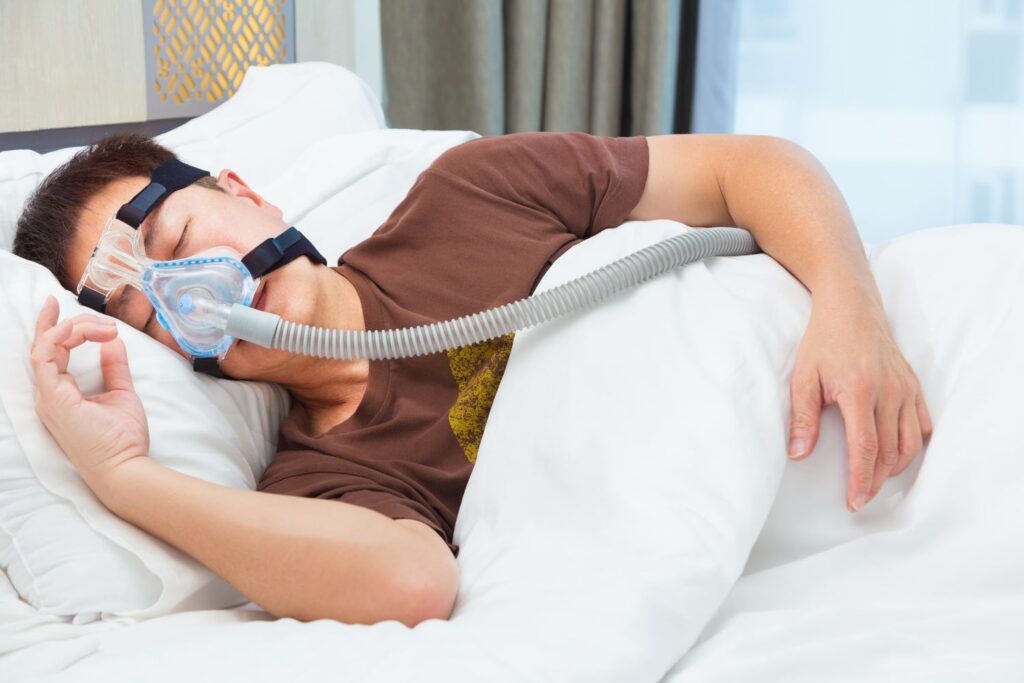
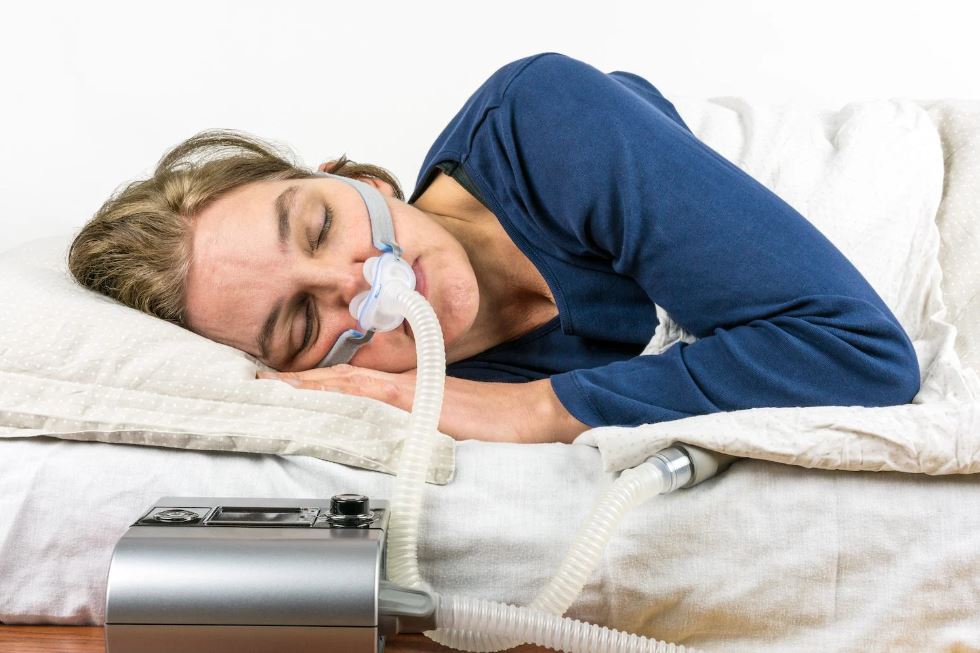
If they also use CPAP for obstructive sleep apnoea, they should not assume oxygen is automatically added. The oxygen plan should be coordinated so settings, interfaces, and safety steps are clear for everyone involved.
What setup questions should be asked when arranging Philips oxygen concentrator Australia?
They should ask who installs it, what education is provided, and whether written instructions are supplied for carers. They should also ask what accessories are included, such as nasal cannulas, oxygen tubing, a bubble humidifier if prescribed, and spare filters.
It is worth confirming the expected noise level in the bedroom, and whether a longer cannula run will reduce delivered flow.
What maintenance and cleaning is typically required at home?
Most concentrators require regular filter checks and cleaning, plus keeping vents clear and the unit dust-free. Patients and carers should follow the supplier’s schedule, because blocked filters can increase alarms and reduce performance.
They should also ask how to recognise common issues like kinked tubing, loose connections, and worn cannulas. In Philips oxygen concentrator Australia, a good supplier will explain troubleshooting in plain language. Check out more about 5 Questions Patients and Carers Should Ask Before Buying Aerobika Pep.
What alarms and safety checks should carers understand?
Common alarms relate to power loss, low oxygen concentration, blocked airflow, or overheating. Carers should know what each alarm means, what they can safely check, and when to call the provider.
They should also ask whether the unit has an hours meter and how often servicing is recommended. Clear escalation steps reduce panic when an alarm sounds at night.
How should they plan for power outages and emergencies in Australia?
They should have an outage plan before oxygen starts, not after the first blackout. That might include a backup oxygen cylinder, a charged phone, supplier emergency numbers, and a clear plan for bushfire season if relevant to their region.
They should also confirm whether their electricity retailer has any medical customer registration process available locally. Searching Philips oxygen concentrator Australia is common during stressful periods, so having a plan written down helps.
Other Resources : Oxygen supplement for aged care
What does oxygen safety look like in a normal Australian home?
Oxygen increases fire risk, even though it is not itself flammable. Patients should keep oxygen away from smoking, open flames, gas cooktops, candles, and any heat source such as heaters placed too close.
They should also avoid petroleum-based creams near the cannula and use only water-based options if skin irritation occurs. In rentals or aged care settings, carers should ask about site-specific fire policies.
How do noise, heat, and placement affect comfort and adherence?
A concentrator can add background noise and warmth, especially in smaller bedrooms. Placement should allow good airflow around vents and keep the unit away from curtains and bedding.
If noise affects sleep, they can ask about relocation options within tubing limits or discuss a different equipment mix. Comfort is not a luxury because discomfort often leads to underuse.
What should patients know about humidification and dry nose symptoms?
Dryness, crusting, and nose bleeds can occur, particularly with higher flows. Some people are prescribed humidification, but not everyone needs it, and incorrect setup can create water backflow in tubing.
They should ask whether humidification is recommended for their specific flow rate and usage hours. If they are unsure, they should check with the clinician rather than adding accessories independently.
How should they approach costs, rentals, and funding options in Australia?
In Australia, oxygen may be arranged through hospital programmes, state-based schemes, DVA for eligible veterans, private suppliers, or private health pathways depending on circumstances. Some people rent equipment, while others are offered longer-term arrangements with servicing included.
They should request an itemised quote that shows ongoing costs: consumables, servicing, call-out fees, and replacement cannulas. When comparing Philips oxygen concentrator Australia offers, the cheapest monthly figure is not always the lowest total cost.
What should they check about servicing, warranty, and local support?
They should confirm response times for breakdowns and whether loan devices are available. They should also ask who to call after hours and on weekends because oxygen issues rarely wait for business hours.
Local support matters as much as the device itself. In Philips oxygen concentrator Australia, patients do best when they know exactly who owns the problem if the unit alarms or fails.
How can patients and carers judge whether the concentrator is actually meeting needs?
They should use clinician guidance on monitoring, which may include spot checks with a pulse oximeter and symptom tracking during walking and sleep. They should not change flow rates without medical instruction, even if readings look low during a cold or flare.
If they notice increasing breathlessness, headaches on waking, or reduced exercise tolerance, they should report it promptly. Worsening symptoms can indicate progression, infection, or equipment mismatch.
What questions should be asked before choosing a supplier?
They should ask whether the supplier provides in-home education, clear written instructions, and ongoing check-ins. They should ask how consumables are ordered, how often they are replaced, and whether the supplier coordinates with the prescribing team.
They should also ask whether the supplier can support travel within Australia, especially for regional and remote trips. Anyone comparing Philips oxygen concentrator Australia options should prioritise reliability and education over marketing.
What are the most common mistakes patients and carers can avoid?
The most common mistakes are choosing based on portability claims without matching the prescription, underplanning for power outages, and placing the unit where airflow is restricted. Another frequent issue is using long tubing runs without checking whether flow and comfort remain adequate.
They can also avoid problems by replacing cannulas on schedule and keeping spare parts ready. These small habits prevent many after-hours calls.
What is the simplest checklist to use before they commit to Philips oxygen concentrator Australia?
They can use a short checklist to reduce risk and make the decision clearer. It should be confirmed in writing wherever possible, especially when multiple carers are involved.
- What is the prescribed flow, and is it continuous or pulse?
- Is oxygen needed at rest, on exertion, overnight, or all three?
- What backup exists for power outages?
- Who provides servicing, and what is the breakdown response time?
- What are ongoing consumable costs?
- What training is included for carers?
- Where will the unit sit safely at home?
If those points are answered clearly, choosing Philips oxygen concentrator Australia becomes far more straightforward, and patients can focus on breathing easier rather than managing uncertainty.