
 Posted by
 R U OK Day in Australian workplaces usually looks like a mix of small, human check-ins and more formal wellbeing activities led by leaders, HR, and wellbeing champions. At its best, it helps normalise supportive conversations and points people towards help, without turning the day into a performative tick box exercise.
What follows is what commonly happens across Australian offices, worksites, schools, hospitals, retail, and remote teams, and what tends to work when the day is handled with care.
What is R U OK Day in Australian workplaces meant to achieve?
It is meant to encourage people to notice changes in others, start a conversation, and connect them to support early. In Australian workplaces, the day is positioned as a prompt to build confidence in asking, listening, and following up, not as a one-off solution to mental health.
The focus is simple: a meaningful conversation can reduce isolation and help someone take a next step, whether that is talking to a manager, using an EAP, or seeing their GP.
How do leaders usually show up on the day?
Most organisations ask leaders to be visible and set the tone. In R U OK Day in Australian workplaces, that often means a short message from the CEO or site manager, a personal story if they are comfortable, and a clear reminder of available supports.
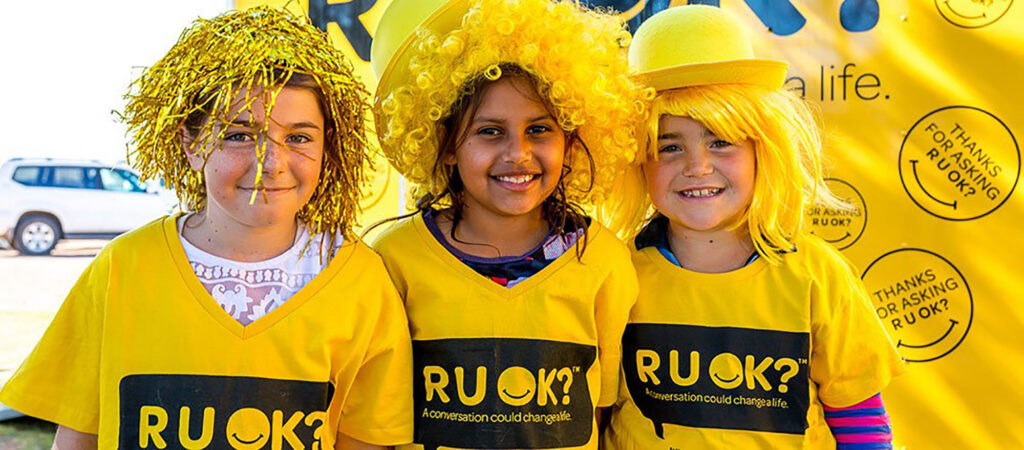
The best leader messaging stays practical: what to say, what not to say, and what to do if someone discloses risk. It also reinforces confidentiality boundaries and encourages follow-up after the day.”
SEE ALSO: Corporate Gifts Australia Trends Shaping End of Year Budgets
What kinds of activities do workplaces typically run?
They commonly run low lift, social activities that make conversations easier. On R U OK Day in Australian workplaces, the familiar pattern is morning tea, a BBQ, coffee vouchers, a walk and talk, or a themed event using yellow branding.
Some organisations add a short toolbox talk on worksites, a guest speaker, or a panel with internal mental health first aiders. The strongest activities create time and permission for people to talk, rather than forcing anyone to share publicly.
How do teams actually start the “Are you OK?” conversations?
They usually happen in small moments rather than big events. During R U OK Day in Australian workplaces, managers might open a meeting with a reminder about checking in, then encourage one-to-one catch ups across the week.
The most effective conversations are private, unrushed, and grounded in what has been noticed. People often lead with specifics, like changes in mood, attendance, or social withdrawal, then ask if the person is OK and listen without jumping to solutions.
What do HR and People teams usually organise behind the scenes?
They typically build the practical scaffolding so the day is safe and consistent. For R U OK Day in Australian workplaces, HR often prepares comms packs, conversation guides, internal intranet pages, and a list of support pathways.
They also brief managers on what to do if someone discloses self-harm risk, domestic violence, substance dependence, or acute distress. In many Australian organisations, HR coordinates EAP promotions and confirms escalation steps with WHS and senior leadership.
How do organisations promote support services like EAP on the day?
They usually make support easier to find and less awkward to use. In R U OK Day in Australian workplaces, that can include posters with QR codes, wallet cards, internal Slack or Teams posts, and reminders that EAP is confidential and available to family members where the contract allows.
Some organisations invite the EAP provider to share a short overview of how sessions work and how to access after-hours support. Clear, plain language helps reduce the friction that stops people from reaching out.
What happens in workplaces where the culture is more “get on with it”?
The day can feel uncomfortable, especially in high-pressure or traditionally stoic environments. In R U OK Day in Australian workplaces with low trust or high workloads, people may default to surface-level chats, jokes, or avoiding the topic entirely.
The better approach in these settings is to keep it practical and consistent: leaders model a respectful check-in, managers hold short one-to-ones, and the organisation backs it up with genuine flexibility where possible. Over time, the repetition matters more than a single day.
How do remote and hybrid teams usually mark the day?
They usually translate the same intent into smaller digital rituals. For R U OK Day in Australian workplaces with distributed teams, common options include short video check-ins, optional virtual coffees, and a team norm of cameras optional to reduce pressure.
The strongest remote approaches avoid putting people on the spot in group calls. They encourage private messages, one-to-one chats, and clear signposting to supports across time zones, including after-hours crisis options in Australia.
What do staff actually appreciate, and what do they dislike?
They appreciate sincerity, privacy, and follow through. On R U OK Day in Australian workplaces, staff tend to respond well when leaders make time for real conversations, when managers notice changes with care, and when supports are easy to access.
They dislike performative branding, forced sharing, and token gestures that clash with day-to-day reality. If workloads are unmanaged, bullying is ignored, or flexibility is denied, the day can feel hollow, even if the morning tea is well funded.
What should managers do if someone says they are not OK?
They should listen, thank the person for trusting them, and ask what support would help right now. On R U OK Day in Australian workplaces, managers are not expected to be counsellors, but they are expected to respond calmly and connect the person to help.
A sensible next step is to offer options: EAP, a GP, a trusted contact, mental health first aid, or time to step away. If there is immediate risk, managers should follow the workplace’s critical incident process and seek urgent help, including calling 999 if needed.
How do workplaces handle confidentiality and boundaries?
They usually set expectations early. During R U OK Day in Australian workplaces, good practice is to remind everyone that personal disclosures should not be shared widely, and that some information may need to be escalated for safety.
Managers can be clear that they will respect privacy, take notes only when necessary, and involve HR or WHS only to get the right support in place. Boundaries protect both the person who discloses and the person receiving the disclosure.
How can workplaces avoid the day becoming a tick box exercise?
They can treat it as one moment in a year-round wellbeing approach. R U OK Day in Australian workplaces lands best when it connects to ongoing practices like regular one-to-ones, workload reviews, safe reporting channels, and manager training.
It also helps when the organisation measures actions, not just attendance. Examples include tracking manager training completion, EAP awareness, uptake of flexible working, and whether teams have realistic resourcing. The day should spotlight care, then prove it with follow-up.
What does “good” look like in the weeks after the day?
Good looks like continued check-ins and practical adjustments. After R U OK Day in Australian workplaces, managers might follow up privately with anyone who seemed withdrawn, keep conversations going in regular catch-ups, and make sure support links stay visible.
Some organisations also debrief: what worked, what felt forced, and what needs improvement. The most credible outcome is when people see that speaking up leads to support, not stigma or career consequences.
What should Australian workplaces do if they want the day to genuinely help?
They should keep the message human, train managers, and make support simple to access. If R U OK Day in Australian workplaces is handled with sincerity, it can strengthen trust and make it easier for people to ask for help early.
They also need to match words with working conditions. When workloads, job design, and psychological safety are addressed, the day stops being a poster campaign and starts feeling like part of how the workplace actually operates.
FAQs (Frequently Asked Questions)
What is the primary goal of R U OK Day in Australian workplaces?
R U OK Day aims to encourage people to notice changes in others, start meaningful conversations, and connect them to support early. It’s positioned as a prompt to build confidence in asking, listening, and following up, rather than being a one-off solution to mental health.
How do leaders typically participate in R U OK Day within Australian organisations?
Leaders are usually visible on the day by sharing short messages from CEOs or site managers, possibly personal stories if comfortable, and clear reminders of available supports. Effective leader messaging focuses on practical guidance about what to say, confidentiality boundaries, and encourages follow-up after the day.
What types of activities are commonly organised for R U OK Day in Australian workplaces?
Common activities include low-lift social events like morning teas, BBQs, coffee vouchers, walks and talks, or themed events using yellow branding. Some workplaces add toolbox talks, guest speakers, or panels with mental health first aiders. The strongest activities create time and permission for private conversations without forcing public sharing.
How do teams usually initiate ‘Are you OK?’ conversations during R U OK Day?
These conversations often happen in small moments rather than big events. Managers might open meetings with reminders about checking in and encourage one-to-one catch-ups. Effective conversations are private, unrushed, grounded in specific observations like mood changes or social withdrawal, followed by asking if the person is OK and listening without jumping to solutions.
What role do HR and People teams play behind the scenes for R U OK Day?
HR teams build practical scaffolding to ensure the day is safe and consistent by preparing communication packs, conversation guides, intranet pages, and lists of support pathways. They brief managers on handling disclosures of self-harm risk or acute distress and coordinate Employee Assistance Program (EAP) promotions alongside confirming escalation steps with senior leadership.
How is support like Employee Assistance Programs (EAP) promoted during R U OK Day?
Support services are made easier to find and less awkward to use through posters with QR codes, wallet cards, internal messaging platforms posts, and reminders about confidentiality and availability to family members where applicable. Some organisations invite EAP providers to share overviews on session access and after-hours support using clear and plain language to reduce barriers.