
 Posted by
 Corporate cakes look similar to party cakes at first glance, but they are built for different goals. They need to represent a brand, serve a mixed crowd, and travel well across Australian offices and venues.
In practice, corporate cakes focus on consistency, logistics, and presentation that suits professional settings. That changes everything from flavours and finishes to delivery timing and packaging.
What is the main purpose of corporate cakes?
Corporate cakes are designed to support a business moment, not just a personal milestone. They often mark product launches, staff achievements, client meetings, conferences, store openings, or end of year events.
Because the cake is part of a brand experience, it must look polished, photograph well, and align with company values. In Sydney, Melbourne, Brisbane, Perth, and Adelaide, that usually means clean design, clear messaging, and reliable service.
How do branding and logos change the design?
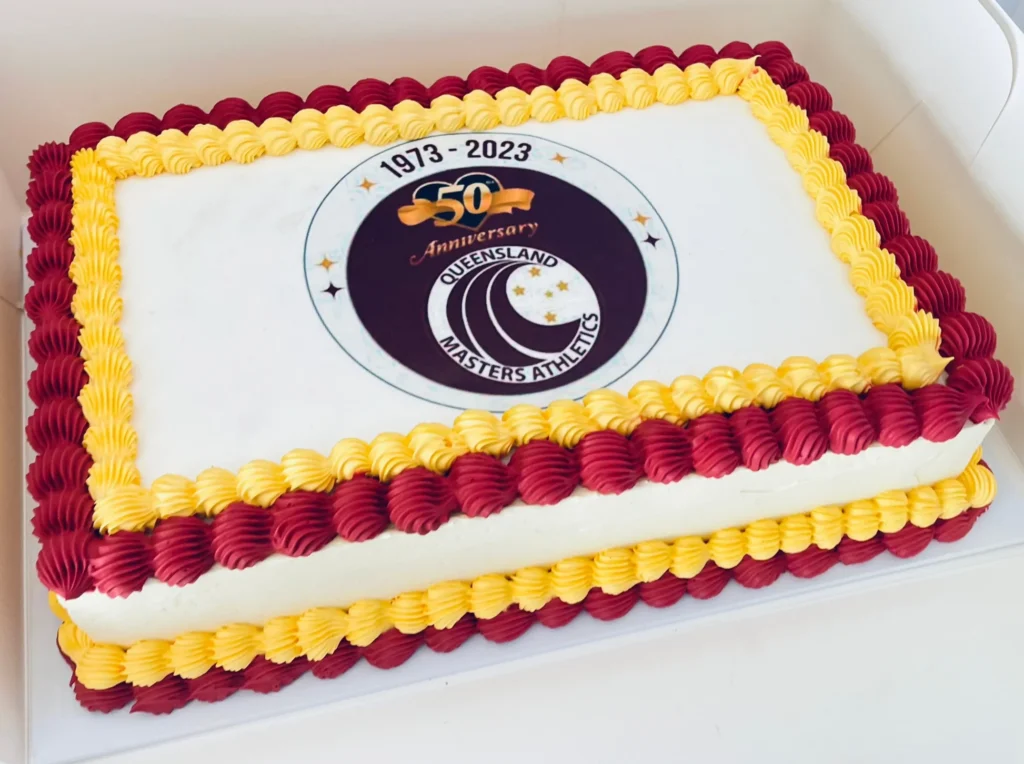
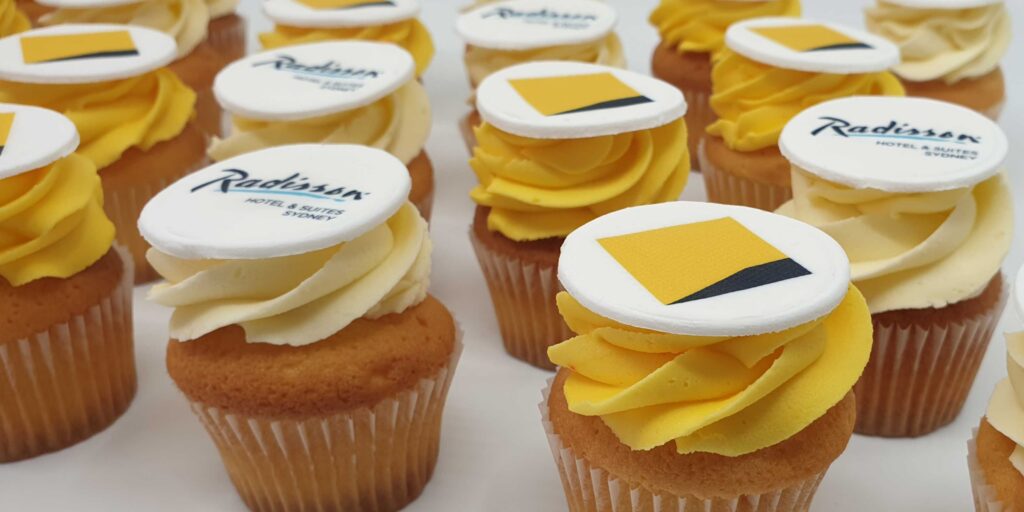
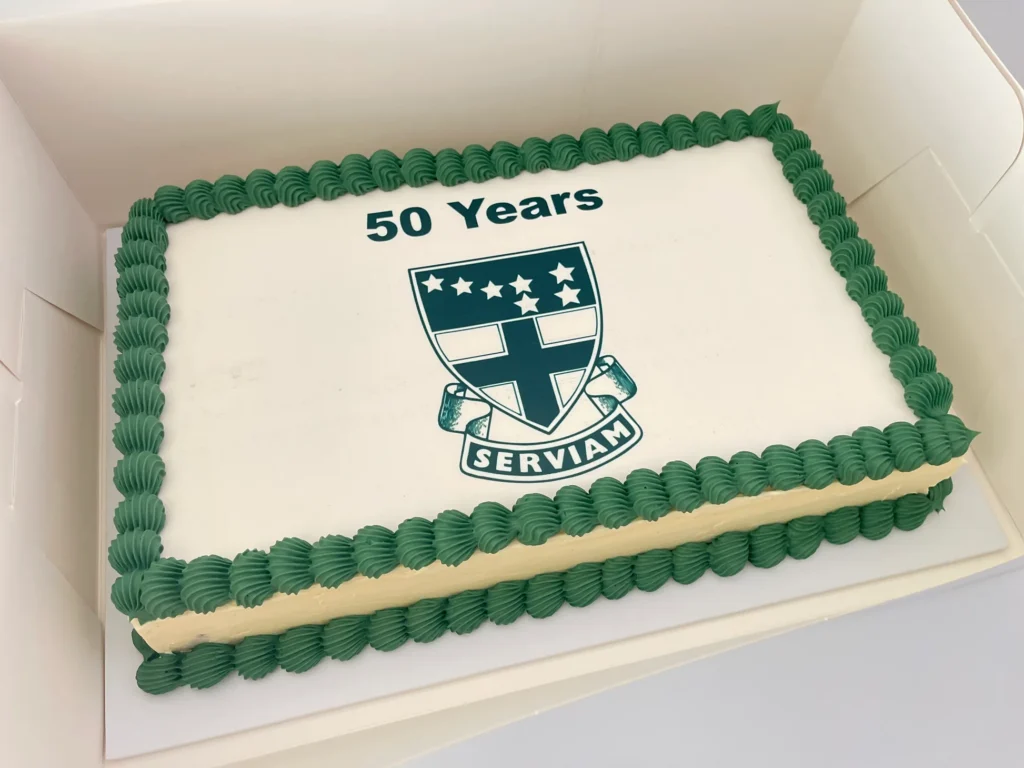
Branding is the biggest visual difference. Corporate cakes commonly feature logos, brand colours, taglines, or campaign themes, often in a way that can be used in event photos and internal comms.
That pushes decorators towards sharp edges, controlled colour matching, and readable text. A birthday cake can lean into whimsy, but a corporate design needs to be unmistakable, consistent, and suitable for a boardroom table or an expo stand.
Why do corporate cakes prioritise a “professional” look?
Professional settings call for restrained styling. Corporate cakes typically use simpler layouts, minimal clutter, and neat finishes so they do not feel overly childish or personal.
In many Australian workplaces, the cake is shared across teams and departments. A design that feels neutral but premium is safer. It keeps the focus on the business occasion while still feeling celebratory.
How is messaging different from personal celebration cakes?
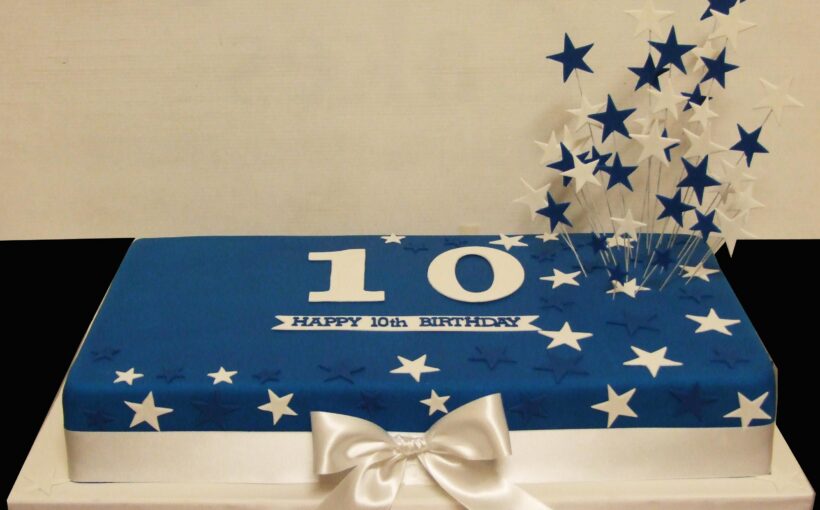
Personal cakes usually centre on one person’s name, age, or inside jokes. Corporate messaging is broader and often strategic, such as “Congratulations Team”, “Welcome”, or “Happy 10 Years”.
With corporate cakes, the message must be readable from a distance and appropriate for a mixed audience. It also needs to avoid anything that could be misinterpreted in photos shared on LinkedIn or company newsletters.
What flavours work best for corporate events in Australia?
Crowd-pleasing flavours win because offices include many preferences. Vanilla, chocolate, caramel, lemon, and light fruit flavours are common because they are familiar and easy to serve.
Corporate cakes also tend to avoid overly boozy, intensely spiced, or extremely rich combinations unless specifically requested. For Australian summer events, lighter fillings and less heavy icing can help the cake hold up better and feel less intense.
How do dietary needs influence corporate cake planning?
Dietary requirements are more common at workplace events, especially in larger teams. Requests for gluten-free, nut-free, dairy-free, vegan, or low-sugar options often come up.
Rather than one highly customised cake, corporate cakes are sometimes paired with clearly labelled cupcakes or slice portions. That approach reduces risk and makes it easier for organisers to cater safely across a broad group.
Why do size and portioning matter more for corporate events?
Serving a predictable number of portions is crucial when a cake is for staff, clients, or delegates. A family celebration can cut generous slices, but workplace catering often needs consistent portion sizes.
Corporate cakes are frequently planned around headcount, serving style, and timing. Sheet cakes, multi-tier cakes, or paired cakes are chosen for efficiency. Portion guides and pre-cutting requests are also more common for office settings.
How do delivery, timing, and logistics differ?
Corporate orders often run on tight schedules. The cake may need to arrive before a morning meeting, during a conference break, or just ahead of a presentation.
That is why corporate cakes are usually built with transport stability in mind. In Australian cities where traffic and parking can be unpredictable, delivery windows, loading access, and venue rules matter. Professional packaging, clear handling instructions, and contingency planning are part of the service.
Why are materials and finishes chosen differently?
Some finishes look gorgeous but do not travel well. Corporate orders often use finishes that hold shape and stay clean, such as ganache edges, firm buttercream, or fondant elements designed for stability.
With corporate cakes, decorators also consider how the cake will look under office lighting and in phone photos. Smudge resistant finishes, crisp lines, and controlled condensation are practical priorities, especially in warmer Australian months.
How do corporate budgets and approvals shape the cake?
A personal cake is typically decided by one person. Corporate orders may need quotes, invoices, and approval from admin, marketing, or events teams.
That can influence design choices and lead times for corporate cakes. The brief might specify maximum spend, brand guidelines, or a required delivery slot. Many businesses also need formal documentation, including GST invoices and payment terms.
What level of customisation do corporate cakes usually need?
Customisation is often more structured. Instead of free form creativity, the brief may require specific fonts, Pantone matched colours, or a precise logo placement.
Corporate cakes also benefit from repeatable templates. A business might order the same design for multiple offices around Australia or for recurring milestones. Consistency becomes part of the value, not a limitation.
How are corporate cakes used for marketing and publicity?
They are often used as content. The cake might be photographed for internal updates, media releases, store launch posts, or social platforms.
Because of that, corporate cakes are designed with “shareability” in mind. Clear branding, clean backgrounds, and readable messaging help. In Australia, where many businesses use events for community engagement, the cake can become a small but effective brand touchpoint.
What makes corporate cakes more “event ready” than regular cakes?
They often need to suit a venue, not a home. That could be a hotel function room in Melbourne, a co-working space in Sydney, a winery venue in South Australia, or a conference centre in Brisbane.
Corporate cakes are planned to fit the run sheet, the table setup, and the serving plan. They may include extra utensils, allergen labels, and advice on storage, especially if the cake needs to sit out during speeches.
How far in advance should corporate cakes be ordered?
Lead time depends on complexity, but corporate planning usually works best with extra notice. That allows time for approvals, design sign off, and delivery coordination with the venue or reception desk.
For corporate cakes, last-minute changes are common, such as attendee numbers or revised branding. Ordering earlier helps reduce stress and improves the chance of getting the exact finish required for a professional event.
What should a business include in a corporate cake brief?
A good brief makes results predictable. It should include the event type, date, delivery address, preferred time window, serving numbers, flavour preferences, dietary needs, and any branding files.
For corporate cakes, high resolution logos and brand colour references matter. It also helps to state where the cake will be displayed and whether it needs to be cut on site. A clear point of contact on the day avoids delivery delays.
So, what truly makes corporate cakes different?
Corporate cakes are business tools as much as desserts. They prioritise brand alignment, reliability, and practical serving for Australian workplaces and venues.
Regular celebration cakes can be more personal, playful, and flexible. Corporate ones need to be polished, predictable, and built for crowds, cameras, and tight timelines. When done well, they make a professional moment feel genuinely memorable.
FAQs (Frequently Asked Questions)
What is the main purpose of corporate cakes in Australian business events?
Corporate cakes are designed to support significant business moments such as product launches, staff achievements, client meetings, and conferences. They represent the brand, align with company values, and provide a polished, professional appearance suitable for various corporate settings across Australia.
How do branding and logos influence the design of corporate cakes?
Branding is a key visual element in corporate cakes, often featuring logos, brand colours, taglines, or campaign themes. This requires decorators to focus on sharp edges, precise colour matching, and readable text to ensure the cake aligns with the company’s identity and looks impeccable in event photos and communications.
Why is a professional look important for corporate cakes?
Corporate cakes prioritise a restrained and premium aesthetic with simpler layouts and neat finishes to suit professional environments. This neutral styling ensures the cake feels appropriate for diverse teams and departments while maintaining a celebratory tone that keeps the focus on the business occasion.
Which flavours are most suitable for corporate cakes at Australian events?
Crowd-pleasing flavours like vanilla, chocolate, caramel, lemon, and light fruit are preferred due to their broad appeal. Corporate cakes typically avoid overly boozy or intensely spiced options unless requested. For summer events in Australia, lighter fillings and less heavy icing help maintain freshness and comfort.
How do dietary requirements affect the planning of corporate cakes?
Workplace events often require consideration of dietary needs such as gluten-free, nut-free, dairy-free, vegan, or low-sugar options. To accommodate this safely across diverse groups, corporate orders may include clearly labelled cupcakes or slice portions alongside the main cake rather than highly customised individual cakes.
What logistical considerations are unique to delivering corporate cakes across Australian offices?
Corporate cake deliveries must account for tight schedules aligned with meetings or presentations and ensure transport stability to withstand traffic and parking challenges in cities like Sydney or Melbourne. Professional packaging, clear handling instructions, delivery windows, loading access, and contingency plans are essential for successful event readiness.
Related: What International Men’s Day Is Actually For and Who Started It