
 Posted by
 Why Is Sleep Testing Important for Your Health?
Sleep testing identifies disorders that compromise your physical and mental well-being before they escalate into serious health complications. Quality sleep directly influences immune function, cardiovascular health, cognitive performance, and emotional regulation—making professional sleep testing Canberra services essential for maintaining optimal health.
Understanding the Impact of Sleep Disorders
Sleep disorders affect approximately 1.5 million Australians, with many cases remaining undiagnosed. Conditions like sleep apnoea, insomnia, and restless leg syndrome silently deteriorate health over months or years, increasing risks of hypertension, diabetes, depression, and workplace accidents.
The importance of sleep testing becomes evident when considering these statistics. Without proper diagnosis, individuals often struggle with unexplained fatigue, mood disturbances, and declining productivity. They may attribute symptoms to stress or aging rather than recognizing underlying sleep issues.
How Professional Sleep Testing Helps
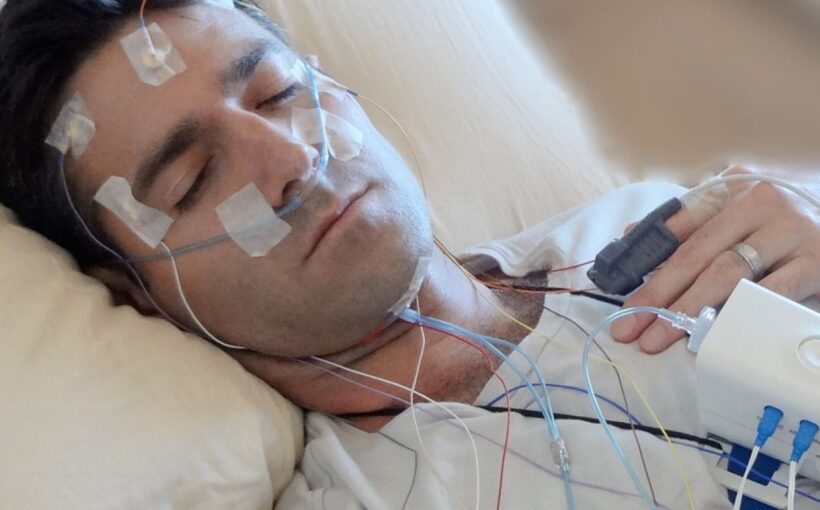
Professional sleep testing services in Canberra provide objective data that reveals what happens during sleep—information impossible to obtain through self-reporting alone. These services employ specialized equipment and trained technicians who capture detailed physiological measurements throughout the night.
A comprehensive sleep health assessment examines:
- Breathing patterns
- Oxygen saturation
- Heart rhythm
- Brain wave activity
- Body movements
This multi-dimensional approach distinguishes between different sleep disorders that may present similar symptoms but require distinct treatment approaches.
The Benefits of Early Detection
Early detection through professional testing prevents the progression of sleep disorders. Untreated sleep apnoea, for instance, increases stroke risk by 60% and heart attack risk by 30%. Identifying these conditions early allows for timely intervention that protects long-term health.
Guiding Treatment Planning
The importance of professional sleep testing Canberra services extends beyond diagnosis to treatment planning. Test results guide healthcare providers in developing personalized strategies that address each patient’s specific sleep challenges, leading to measurable improvements in daily functioning and quality of life.
What Are the Common Sleep Disorders That Require Professional Testing?
Sleep apnoea, insomnia, and restless leg syndrome are the most commonly diagnosed sleep disorders that require professional evaluation. Each condition has its own unique features that greatly disrupt sleep quality and require specialized testing for accurate diagnosis.
Sleep Apnoea
Sleep apnoea involves repeated pauses in breathing throughout the night, often lasting ten seconds or longer. These interruptions fragment sleep cycles and prevent the body from achieving restorative rest. Individuals with this condition typically experience:
- Loud snoring punctuated by gasping or choking sounds
- Morning headaches and persistent daytime drowsiness
- Difficulty concentrating and memory problems
- Increased irritability and mood changes
The condition forces the brain to repeatedly wake the body to resume breathing, though most people remain unaware of these micro-awakenings. Left untreated, sleep apnoea elevates risks for cardiovascular disease, hypertension, and stroke.
Insomnia
Insomnia manifests as persistent difficulty initiating sleep, maintaining sleep, or waking too early despite adequate opportunity for rest. This disorder affects both sleep duration and quality, creating a cycle of anxiety around bedtime. Common symptoms include:
- Lying awake for extended periods before falling asleep
- Frequent nighttime awakenings with difficulty returning to sleep
- Feeling unrefreshed upon waking
- Daytime fatigue accompanied by reduced productivity
Chronic insomnia impairs cognitive function, weakens immune response, and contributes to mental health challenges including depression and anxiety. The condition often requires comprehensive testing to identify underlying causes such as medical conditions, medications, or psychological factors.
Restless Leg Syndrome
Restless leg syndrome creates uncomfortable sensations deep within the legs, typically described as crawling, tingling, or pulling feelings. These sensations intensify during periods of rest and inactivity, particularly when lying down at bedtime. Key characteristics include:
- Overwhelming urge to move legs for relief
- Symptoms worsening in evening and nighttime hours
- Temporary relief through movement or stretching
- Sleep disruption affecting both the individual and bed partner
The constant need for movement prevents sleep onset and causes frequent awakenings, resulting in severe sleep deprivation. Many patients report significant impacts on work performance and relationships
How Does Professional Sleep Testing Ensure Accurate Diagnosis?
Professional sleep testing achieves diagnostic accuracy by simultaneously tracking multiple physiological systems throughout the night. Unlike self-reporting or basic monitoring, these assessments capture objective data that reveals the precise nature and severity of sleep disturbances.
1. Comprehensive Physiological Monitoring
Comprehensive physiological monitoring forms the foundation of professional sleep testing accuracy. Specialized equipment records brain wave patterns through electroencephalography (EEG), which identifies different sleep stages and detects abnormal electrical activity. This measurement distinguishes between light sleep, deep sleep, and REM cycles—information critical for understanding sleep architecture disruptions. Click here to get more about physiological monotoring.
2. Respiratory Monitoring
Respiratory monitoring tracks breathing patterns, airflow, and chest movements to identify apnoea events or hypopnoeas (shallow breathing). The equipment detects even brief interruptions lasting just seconds, which patients often don’t consciously experience but significantly impact sleep quality. These measurements reveal the frequency and duration of breathing disturbances that characterize conditions like obstructive sleep apnoea.
3. Cardiovascular and Oxygen Saturation Monitoring
Cardiovascular and oxygen saturation monitoring provides essential diagnostic benefits by revealing how sleep disorders affect the body’s vital functions. Continuous pulse oximetry measures blood oxygen levels throughout the night, identifying dangerous drops that occur during apnoea episodes. Heart rate monitoring detects arrhythmias or elevated rates that signal stress responses during sleep disruptions.
4. Muscle Activity Sensors
Muscle activity sensors placed on the legs and chin capture movements associated with restless leg syndrome or periodic limb movement disorder. These sensors document the timing, frequency, and intensity of involuntary movements that fragment sleep, providing quantifiable evidence of conditions patients might describe vaguely as “restless nights.”
5. Integration of Multiple Data Streams
The integration of multiple data streams creates a complete picture of sleep health. A single metric might appear normal in isolation, but when analyzed alongside other measurements, patterns emerge that point to specific disorders. For example, normal oxygen levels combined with frequent EEG arousals and leg movements suggests a different diagnosis than low oxygen levels with respiratory events.
6. Standardized Protocols and Calibrated Equipment
Professional sleep testing accuracy depends on standardized protocols and calibrated equipment that eliminate guesswork. Trained technicians ensure proper sensor placement and monitor data quality in real-time during in-lab studies, adjusting equipment if signals become unclear. This technical expertise prevents the data gaps and artifacts that compromise home monitoring attempts without professional oversight.
7. Controlled Environment of Sleep Laboratories
The controlled environment of sleep laboratories removes variables that might obscure results.
What Types of Sleep Testing Services Are Available in Canberra?
Canberra residents have access to two primary sleep testing options: in-lab sleep studies and home sleep tests. Each method serves different patient needs based on the complexity of suspected sleep disorders and individual circumstances.
In-Lab Polysomnography
In-lab polysomnography clinics provide the most comprehensive sleep assessment available. Patients spend the night in a specialized sleep laboratory where trained technicians attach multiple sensors to monitor various physiological functions. These sensors track brain waves through electroencephalography (EEG), eye movements, muscle activity, heart rhythm, breathing patterns, and blood oxygen saturation throughout the entire sleep cycle.
The controlled clinical environment eliminates variables that might affect results at home. Technicians observe patients in real-time, adjusting equipment if needed and documenting any unusual behaviors or events during sleep. This level of detail makes in-lab studies ideal for diagnosing complex conditions like narcolepsy, parasomnias, or severe sleep apnoea requiring precise measurement.
Most sleep laboratories in Canberra design their rooms to resemble comfortable hotel accommodations rather than clinical spaces. Private bathrooms, adjustable lighting, and temperature controls help patients relax despite wearing monitoring equipment. Studies typically begin around 9 PM and conclude by 6 AM, capturing a full night’s sleep data.
Home Sleep Testing Options
Home sleep tests providers offer portable monitoring devices that patients use in their own bedrooms. These compact systems typically measure breathing effort, airflow, oxygen levels, heart rate, and body position. Patients receive detailed instructions for applying sensors correctly before bed and removing them upon waking.
The convenience factor makes home testing appealing for individuals with mobility issues, work commitments, or anxiety about sleeping in unfamiliar environments. Costs are generally lower than in-lab studies, and insurance coverage often applies. The familiar surroundings may actually produce more representative sleep patterns for some patients.
Home tests work best for straightforward cases where sleep apnoea is the primary concern. They capture sufficient data to identify breathing disruptions and oxygen desaturation events. Sleep specialists review the recorded information to determine whether treatment is necessary and what interventions might prove effective.
How Do Professional Sleep Testing Services Benefit Patients?
Professional sleep testing services deliver comprehensive assessments that form the foundation for personalized treatment strategies. These evaluations capture detailed data about your unique sleep patterns, breathing irregularities, and physiological responses throughout the night, allowing specialists to create tailored treatment plans that address your specific condition rather than applying generic solutions.
Benefits of Sleep Testing
The benefits of sleep testing extend beyond simple diagnosis. When you undergo professional testing, specialists analyze multiple data points simultaneously—from oxygen saturation levels to brain wave patterns—creating a complete picture of your sleep health. This thorough approach means treatment recommendations are precisely calibrated to your needs, whether that involves CPAP therapy for sleep apnoea or cognitive behavioral therapy for insomnia.
Identifying Environmental Factors
Professional testing services identify environmental factors that may be sabotaging your rest. Sleep specialists examine how external elements like bedroom temperature, light exposure, noise levels, and even mattress quality affect your sleep architecture. This environmental analysis often reveals hidden disruptors that patients haven’t considered, such as:
- Light pollution from street lamps or electronic devices
- Temperature fluctuations throughout the night
- Noise disturbances from traffic or household appliances
- Air quality issues affecting breathing patterns
The data collected during testing enables specialists to recommend specific environmental modifications alongside medical treatments. You might discover that blackout curtains, white noise machines, or adjusting your bedroom temperature by just a few degrees could significantly enhance your improved sleep quality.
Tracking Sleep Stages
Professional services also track how your body responds to different sleep stages. This information helps identify whether you’re achieving sufficient deep sleep and REM cycles—both essential for physical recovery and cognitive function. When these stages are disrupted, specialists can pinpoint the exact cause and develop targeted interventions.
Continuous Monitoring
The continuous monitoring provided during professional testing captures intermittent issues that might not appear during a single night’s observation. Some sleep disorders manifest inconsistently, making professional-grade equipment and extended monitoring periods crucial for accurate assessment. This thoroughness prevents misdiagnosis and ensures you receive appropriate treatment from the start.
What Should Patients Keep in Mind When Preparing for a Sleep Study?
Proper preparation significantly impacts the accuracy and reliability of sleep test results. Patients should approach their scheduled study as they would any normal night’s sleep while following specific pre-test guidelines to ensure optimal data collection.
Maintaining consistent sleep patterns in the week leading up to your test helps establish a baseline for accurate assessment. Going to bed and waking at the same times daily allows the sleep specialist to observe your natural sleep architecture without disruption from irregular schedules. Sudden changes to your routine can mask underlying issues or create artificial sleep disturbances that complicate diagnosis.
Avoiding stimulants and depressants becomes critical in the 24 hours before testing. Caffeine consumption—including coffee, tea, energy drinks, and chocolate—should stop by early afternoon as these substances remain in your system for six to eight hours. Alcohol might seem helpful for falling asleep, but it fragments sleep cycles and suppresses REM sleep, distorting the natural patterns specialists need to evaluate.
Pre-Test Patient Instructions
Specific preparations enhance the quality of data collected during your sleep study:
- Skip daytime naps on the day of testing to ensure natural tiredness at bedtime
- Wash and dry hair thoroughly without applying styling products, oils, or conditioners that interfere with electrode adhesion
- Wear comfortable, loose-fitting clothing suitable for sleeping in a clinical environment
- Take regular medications unless your sleep specialist provides different instructions
- Avoid heavy meals within two hours of your scheduled study time
Documentation matters when preparing for sleep test appointments. Bring a list of current medications, previous sleep-related diagnoses, and any sleep diary entries you’ve maintained. This information helps technicians and specialists contextualize your results within your broader health picture.
Creating realistic conditions means treating the study night as normally as possible despite the clinical setting or home monitoring equipment. Patients who try to “perform” or force sleep often generate data that doesn’t reflect their typical patterns, potentially leading to misdiagnosis or incomplete assessment of their sleep disorders.
How Are Results From a Sleep Test Used to Guide Treatment Recommendations in Canberra?
Post-sleep study analysis involves certified sleep specialists examining comprehensive data to identify specific sleep disorders and abnormalities. The interpreting results process focuses on analyzing sleep architecture, including the duration and quality of each sleep stage, breathing patterns, oxygen saturation levels, and any disruptions that occurred throughout the night.
Specialists review detailed recordings of brain wave activity to determine whether patients achieve adequate amounts of deep sleep and REM sleep, both essential for physical restoration and cognitive function. They examine respiratory events to detect conditions like obstructive sleep apnoea, where breathing repeatedly stops and starts during sleep. Heart rate variability and leg movement data help identify additional disorders such as periodic limb movement disorder or cardiac irregularities affecting sleep quality. Check out more about Is a Sleep Study Brisbane Right for You?
What Treatment Options Do Specialists Recommend Based on Test Results?
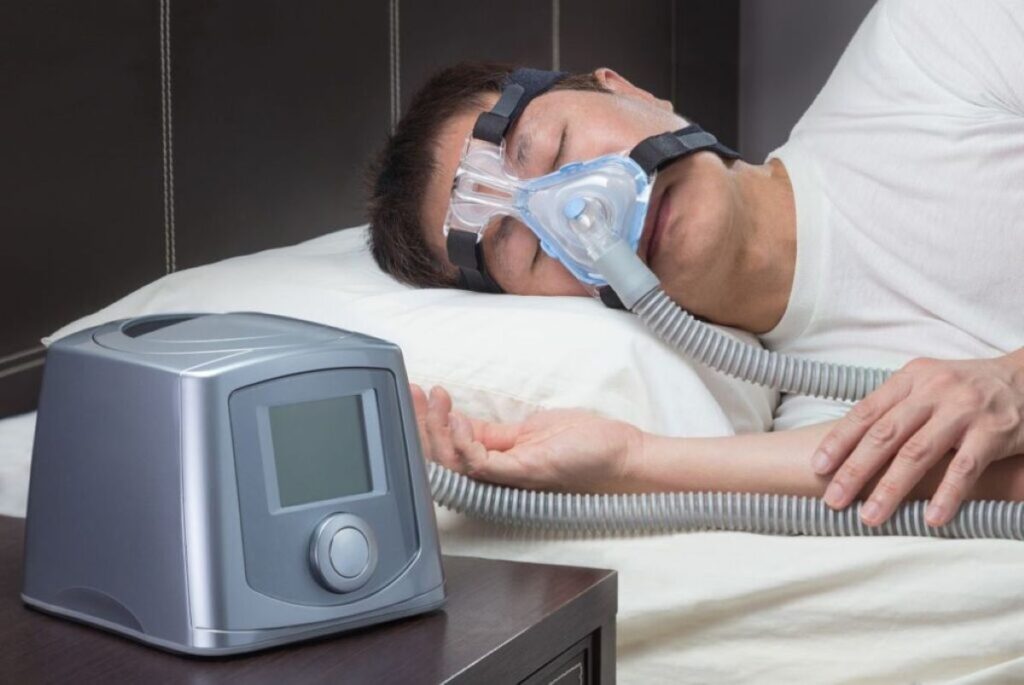
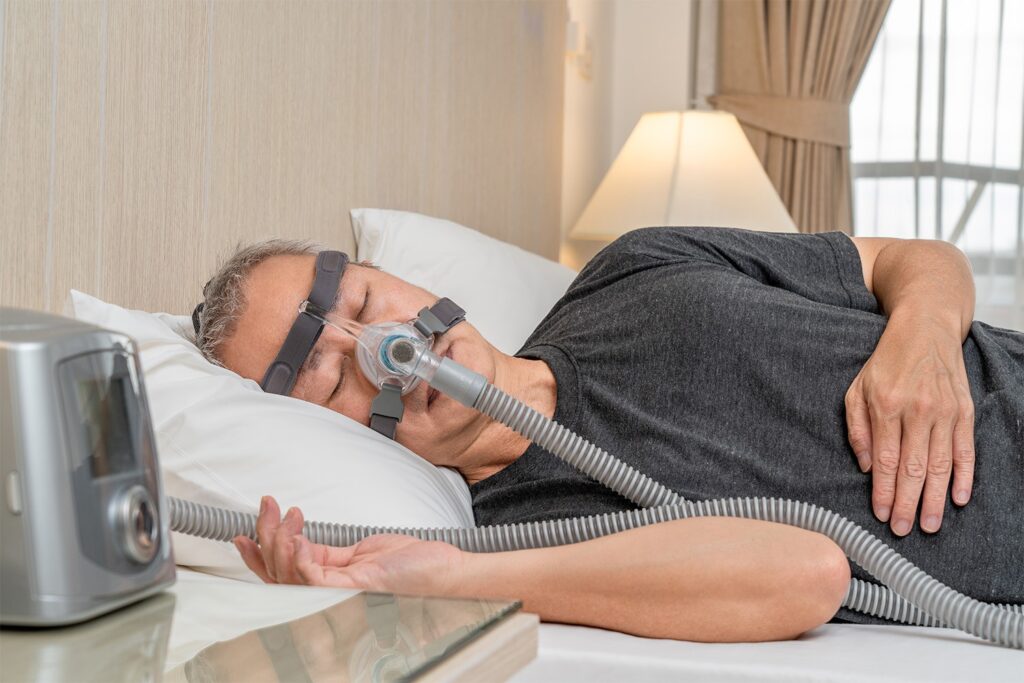
Treatment recommendations Canberra specialists provide depend entirely on the specific findings from each patient’s sleep study. For individuals diagnosed with obstructive sleep apnoea, continuous positive airway pressure (CPAP) therapy remains the gold standard treatment, delivering pressurized air through a mask to keep airways open during sleep.
Patients with mild to moderate sleep apnoea may receive recommendations for:
- Oral appliance therapy: custom-fitted dental devices that reposition the jaw and tongue
- Positional therapy: techniques to avoid sleeping on the back where apnoea episodes worsen
- Weight management programs: targeted weight loss can significantly reduce apnoea severity
- Surgical interventions: procedures to remove excess tissue or correct structural abnormalities
How Do Lifestyle Modifications Support Sleep Disorder Treatment?
Lifestyle modifications form a critical component of treatment plans alongside medical interventions. Sleep specialists analyze environmental and behavioral factors identified during testing to create personalized recommendations addressing each patient’s unique circumstances.
Common lifestyle adjustments include establishing consistent sleep-wake schedules, creating optimal bedroom environments with appropriate temperature and darkness levels, and implementing relaxation techniques before bedtime. Patients may receive guidance on dietary changes, such as avoiding heavy meals close to bedtime and limiting fluid intake in the evening to reduce nighttime awakenings.
Exercise recommendations typically encourage regular physical activity earlier in the day, as this improves sleep quality without causing pre-bedtime stimulation. Stress management strategies are also vital, as high stress levels can exacerbate sleep disorders.
How Can Patients Choose the Right Sleep Testing Provider in Canberra?
Choosing a sleep specialist in Canberra requires careful evaluation of qualifications and expertise. Certified providers with specialized training in sleep medicine bring the knowledge needed to accurately diagnose complex sleep disorders and develop effective treatment strategies. Accreditation from recognized medical bodies ensures the specialist maintains current best practices in sleep health assessment.
Experience matters significantly when selecting a sleep testing facility. Providers who have conducted thousands of sleep studies develop refined skills in identifying subtle patterns that less experienced practitioners might overlook. Their familiarity with diverse sleep disorders means they can recognize rare conditions and distinguish between similar symptoms that require different treatment approaches.
The importance of professional sleep testing services in Canberra extends beyond basic diagnosis. Look for providers offering comprehensive care that includes:
- Pre-test consultations to discuss symptoms and medical history
- Multiple testing options (both in-lab and home-based)
- Detailed result interpretation sessions
- Personalized treatment planning
- Ongoing follow-up appointments
- Educational resources about sleep hygiene
Holistic care services distinguish exceptional providers from basic testing facilities. These comprehensive programs address not just the immediate sleep disorder but also contributing lifestyle factors, mental health considerations, and environmental influences. Providers who collaborate with other healthcare professionals—such as psychologists, dietitians, and physiotherapists—can coordinate multidisciplinary treatment plans.
Patient reviews and testimonials offer valuable insights into the quality of care. Feedback about staff professionalism, facility comfort, communication clarity, and treatment success rates helps gauge whether a provider meets high standards. Accessibility also plays a role—convenient appointment scheduling, responsive customer service, and clear billing practices contribute to a positive patient experience.
Certified providers should transparently display their credentials and be willing to discuss their approach to sleep testing. Ask about the technology they use, how they stay updated on emerging research, and what support they offer throughout the treatment journey. The right provider treats each patient as an individual rather than following a one-size-fits-all protocol.