
 Posted by
 What Is a Sleep Study and How Does It Work?
A sleep study is a comprehensive diagnostic test that records your body’s activity throughout the night to identify sleep disorders. The procedure captures detailed data while you sleep, allowing specialists to analyze patterns and pinpoint issues affecting your rest quality.
Two main types of sleep studies are available in Brisbane:
- Home-based studies – A technician fits you with a portable monitoring device that you wear overnight in your own bed
- Clinic-based studies – You spend the night at a sleep clinic with hospital-grade equipment and direct supervision from sleep scientists
The study tracks multiple physiological parameters simultaneously. Key measurements include:
- Sleep patterns and stages throughout the night
- Breathing rate and any interruptions or pauses
- Heart rate and rhythm variations
- Leg movements that may disrupt sleep
- Snoring intensity and frequency
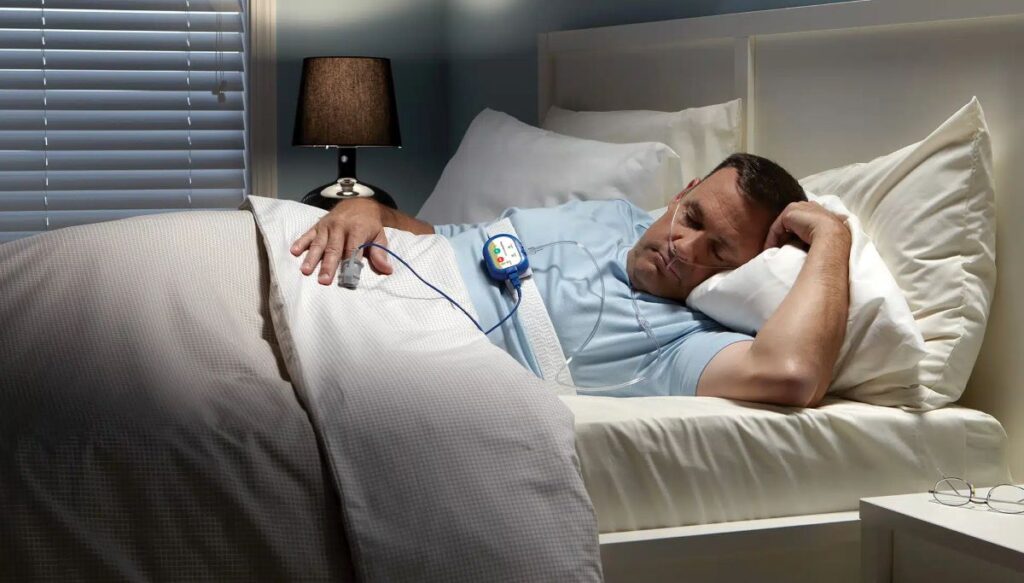
A Sleep Study Brisbane patients choose often begins with the option of a home-based assessment, which offers the comfort of testing in a familiar environment. You follow your usual bedtime routine, wear a compact monitoring device overnight, and return the equipment the next morning. The small device uses non-invasive sensors attached to various points on your body to record essential sleep data.
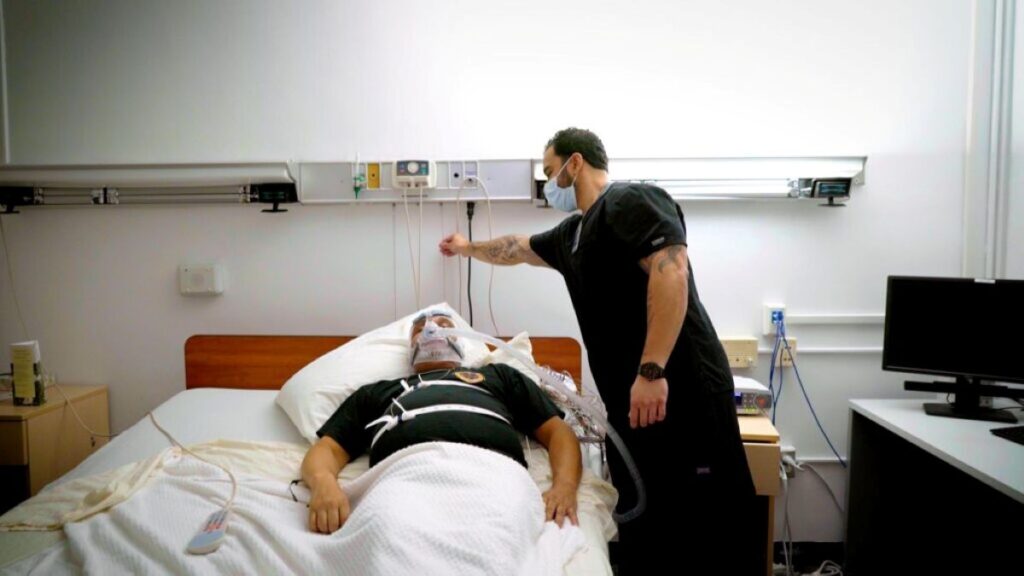
Alternatively, a clinic-based Sleep Study Brisbane provides more comprehensive monitoring using advanced diagnostic equipment. Sleep scientists observe your sleep in real time, allowing them to adjust sensors when necessary and collect more detailed information. This option is ideal for patients who need intensive monitoring or have complex medical conditions.
Both types of Sleep Study Brisbane services deliver accurate and reliable diagnostic results. Respiratory physicians analyze the recorded data to diagnose conditions such as sleep apnea, restless leg syndrome, and other sleep disorders that may be affecting your sleep quality and overall health.
Who Should Consider a Sleep Study in Brisbane?
Anyone experiencing persistent sleep disruptions or daytime fatigue that affects their quality of life should consider a sleep study. If you’re constantly tired despite spending adequate hours in bed, struggling with poor sleep quality, or your partner complains about your loud snoring, these are clear indicators that warrant professional evaluation.
Do You Experience These Primary Warning Signs?
The most common symptoms indicating sleep disorders include:
- Excessive daytime tiredness that doesn’t improve with rest
- Poor sleep quality where you wake frequently throughout the night
- Loud snoring that disturbs your partner or household members
- Breathing pauses during sleep, often noticed by bed partners
These symptoms suggest potential sleep apnea or other respiratory sleep disorders that require medical attention.
What Other Symptoms Point to Sleep Disorders?
Beyond the obvious signs, several subtle indicators reveal underlying sleep problems. Morning headaches that fade as the day progresses often signal disrupted breathing patterns during sleep. Difficulty concentrating at work or remembering simple tasks can stem from fragmented sleep cycles preventing proper rest.
Waking up gasping for air or feeling like you’re choking represents a serious symptom requiring immediate evaluation. This typically indicates obstructive sleep apnea, where your airway becomes blocked during sleep. Teeth grinding (bruxism) or jaw clenching at night can also connect to sleep-disordered breathing, as your body attempts to reopen blocked airways.
When Should You Seek Professional Assessment?
You should book a sleep study if symptoms persist for more than three weeks and impact your daily functioning. People who fall asleep during routine activities like watching television, reading, or sitting in meetings need urgent assessment. Those with high blood pressure, diabetes, or heart conditions should prioritize sleep studies, as untreated sleep disorders worsen these conditions.
Who Faces Higher Risk for Sleep Disorders?
Certain populations experience elevated risk for sleep-related breathing problems. Individuals with larger neck circumferences, those carrying excess weight, and people over 40 face increased likelihood of developing sleep apnea. Men are statistically more prone to sleep disorders, though post-menopausal women also show higher rates. Anyone with a family history of sleep apnea should consider screening even without obvious symptoms.
What Are the Differences Between Home Sleep Studies and Clinic-Based Studies?
A home sleep study Brisbane allows you to undergo testing in your own bedroom using portable monitoring equipment. A trained technician fits you with a compact device that records your sleep patterns, breathing, heart rate, oxygen levels, leg movements, and snoring throughout the night. You follow your regular bedtime routine, sleep in your own bed, and return the equipment the following morning.
Clinic-based sleep study advantages include access to hospital-grade equipment and continuous monitoring by experienced sleep scientists. These studies take place in specialized sleep laboratories where you spend the night in a private room designed to resemble a comfortable bedroom. Respiratory physicians and sleep technicians supervise the entire process, observing your sleep in real-time and adjusting equipment as needed.
Home Sleep Study Benefits
- Familiar environment: You sleep in your own bed with your usual pillows and temperature settings
- Normal routine: No need to adjust your pre-sleep habits or evening schedule
- Lower cost: Generally more affordable than laboratory-based testing
- Convenience: No travel required on the night of the study
- Privacy: Complete comfort without feeling observed during sleep
Home Sleep Study Limitations
- Limited monitoring: Fewer sensors compared to clinic-based studies
- No supervision: Technical issues cannot be addressed immediately during the night
- Self-application: Requires correct sensor placement without professional assistance during sleep
- Restricted scope: May not detect certain complex sleep disorders
Clinic-Based Sleep Study Benefits
- Comprehensive monitoring: Advanced polysomnography equipment tracks brain waves, eye movements, muscle activity, and additional parameters
- Expert supervision: Sleep scientists monitor data quality and can troubleshoot equipment issues instantly
- Complex disorder detection: Better suited for diagnosing conditions beyond sleep apnea
- Video recording: Visual documentation helps identify unusual sleep behaviors
- Immediate intervention: Staff can respond to emergencies or significant events during the night
Clinic-Based Sleep Study Limitations
- Unfamiliar setting: Sleeping in a new environment may affect your typical sleep patterns
- Attached sensors: Multiple wires and electrodes may feel uncomfortable or restrictive
- Time commitment: Requires arriving in the evening and staying until morning
How Accessible Are Sleep Studies in Brisbane?
Bulk-billed sleep studies Brisbane services make diagnostic testing financially accessible for many residents. Eligible patients with valid Medicare cards and GP referrals can access these services without any out-of-pocket expenses, removing cost as a barrier to diagnosis and treatment.
Several clinics across Brisbane participate in bulk-billing arrangements, allowing patients who meet eligibility criteria to receive comprehensive sleep assessments at no personal cost. This includes both the initial diagnostic study and follow-up consultations with sleep specialists who review results and recommend treatment pathways.
What determines eligibility for bulk-billed services?
Patients typically qualify for bulk-billed sleep studies when they hold a current Medicare card and obtain a referral from their general practitioner. The referral process involves discussing sleep-related symptoms with a GP who can assess whether a sleep study is medically necessary based on reported issues like chronic snoring, daytime fatigue, or witnessed breathing pauses during sleep.
Where can Brisbane residents access sleep study services?
Affordable sleep diagnostics are available at multiple locations throughout Brisbane, making geographical access convenient for both inner-city and suburban residents. Clinics operate in various suburbs, reducing travel time and allowing patients to choose facilities close to their homes or workplaces.
Home sleep study options extend accessibility even further. Patients who cannot easily travel to clinic locations or prefer testing in their own environment can arrange for technicians to visit their homes to fit monitoring equipment. This service proves particularly valuable for:
- Individuals with mobility limitations
- Patients living in outer Brisbane suburbs
- Those with demanding work schedules who cannot attend evening clinic appointments
- People who experience anxiety in clinical settings
How quickly can patients schedule appointments?
Most Brisbane sleep clinics offer appointment availability within one to two weeks of receiving a GP referral. Some facilities provide same-week appointments for urgent cases where symptoms significantly impact daily functioning or workplace safety. The rapid turnaround from referral to testing means patients don’t face extended waiting periods that could delay diagnosis and treatment.
Home sleep studies typically involve a brief fitting appointment lasting 15-20 minutes, with the actual overnight recording conducted that same evening. Results are usually available within five to seven business days, allowing referring doctors to discuss findings and treatment options promptly with their patients.
What Treatment Options Follow After a Sleep Study Diagnosis?
Once your sleep study results are reviewed by specialist physicians in Brisbane, you’ll receive a personalized treatment plan tailored to your specific diagnosis. The diagnostic findings determine which interventions will be most effective for your particular sleep disorder, with treatment approaches varying significantly based on whether you have sleep apnea, insomnia, restless leg syndrome, or another condition.
1. CPAP Therapy
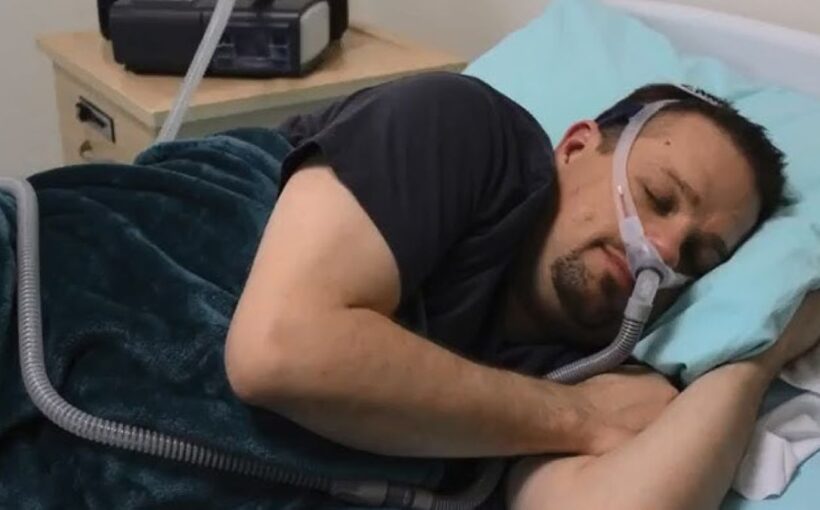
CPAP Therapy remains the gold standard treatment for obstructive sleep apnea diagnosed through sleep studies. This therapy involves wearing a mask connected to a machine that delivers continuous positive airway pressure, keeping your airways open throughout the night. Brisbane sleep clinics typically provide comprehensive CPAP setup services, including mask fitting, pressure titration, and ongoing support to ensure optimal therapy adherence.
2. Lifestyle Modifications
Lifestyle Modifications form a critical component of post-sleep study treatment Brisbane plans, particularly for mild to moderate sleep disorders. Your treatment plan may include:
- Weight loss programs for patients whose excess weight contributes to sleep apnea
- Sleep hygiene education covering bedroom environment optimization and consistent sleep schedules
- Dietary adjustments to avoid foods and beverages that disrupt sleep
- Exercise recommendations to improve sleep quality and reduce symptoms
- Alcohol and smoking cessation support
3. Oral Appliance Therapy
Oral Appliance Therapy serves as an alternative for patients with mild to moderate sleep apnea who cannot tolerate CPAP therapy. These custom-fitted devices reposition the jaw and tongue to maintain open airways during sleep, with Brisbane dental sleep specialists working alongside respiratory physicians to provide this treatment option.
4. Positional Therapy
Positional Therapy addresses position-dependent sleep apnea, where symptoms occur primarily when sleeping on your back. Treatment may involve specialized pillows, wearable devices that encourage side-sleeping, or simple behavioral strategies to maintain optimal sleeping positions.
5. Medication Management
Medication Management becomes necessary for certain sleep disorders identified through diagnostic testing. Sleep physicians may prescribe medications for conditions like restless leg syndrome, periodic limb movement disorder, or specific types of insomnia that don’t respond to behavioral interventions alone.
Personalized treatment plans for sleep disorders in Brisbane typically include regular follow-up appointments to monitor progress and adjust therapies as needed. Your sleep specialist will track symptom improvement, therapy compliance, and overall quality of life changes to ensure the treatment approach delivers optimal results for
Are There Specialized Sleep Study Services for Specific Needs?
Yes, Brisbane clinics offer specialized occupational health sleep testing designed for high-risk professions. These services specifically target workers in industries where alertness directly impacts safety outcomes.
Who Can Benefit from Specialized Sleep Study Services?
Mining workers, heavy vehicle drivers, and pilots face unique screening requirements. Undiagnosed sleep disorders in these roles create significant safety risks—not just for the individual but for colleagues and the public. A truck driver with untreated sleep apnea, for example, faces substantially higher accident risks due to microsleep episodes behind the wheel.
How Do Specialized Sleep Study Services Work?
Pre-employment screening Brisbane services evaluate candidates before they begin safety-critical roles. This proactive approach identifies potential sleep disorders that could compromise workplace safety. Many employers now mandate these assessments as part of their duty of care obligations.
The screening process mirrors standard diagnostic studies but includes occupation-specific reporting. Results are formatted to meet industry compliance requirements and workplace health standards. Physicians assess whether candidates can safely perform their duties or require treatment before commencing work.
Is a Sleep Study Brisbane Right for You?
If your profession involves operating heavy machinery, flying aircraft, or working in mining environments, screening becomes essential rather than optional. Many Brisbane clinics streamline the process for employers, offering:
- Bulk booking arrangements for multiple employees
- Expedited reporting for pre-employment timelines
- Industry-compliant documentation
- Follow-up treatment coordination if disorders are detected
Regular monitoring also benefits existing employees in these sectors. Sleep disorders can develop over time, making periodic reassessment valuable for maintaining workforce safety standards. Some clinics provide ongoing occupational health sleep testing programs tailored to company-specific needs.
Related : The Importance of Professional Sleep Testing Canberra Services